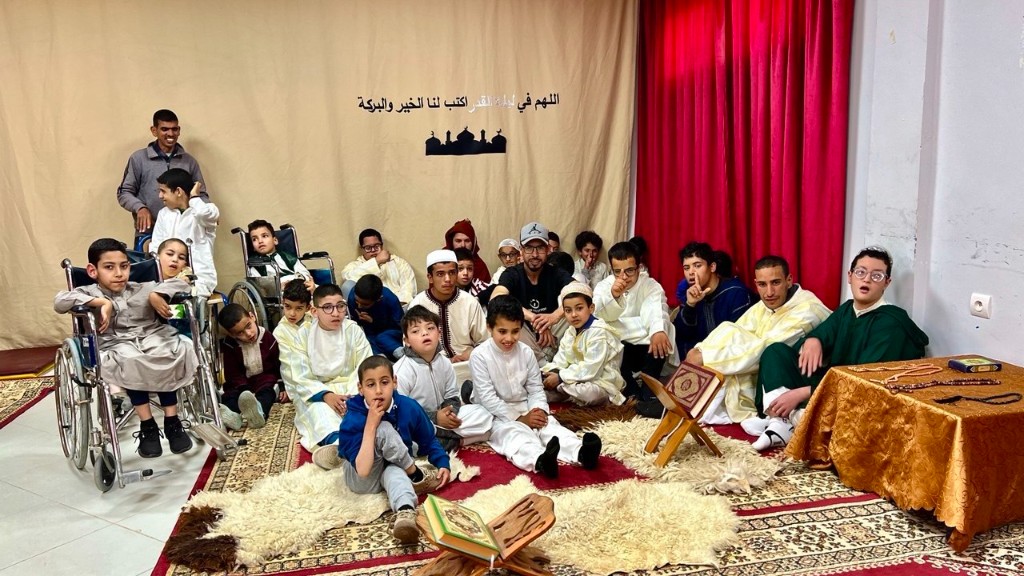
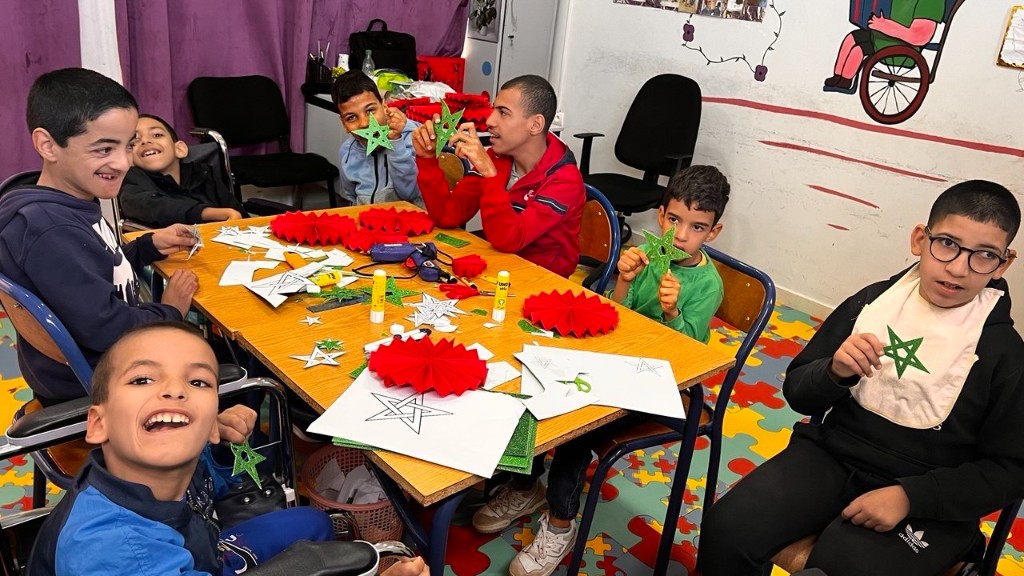
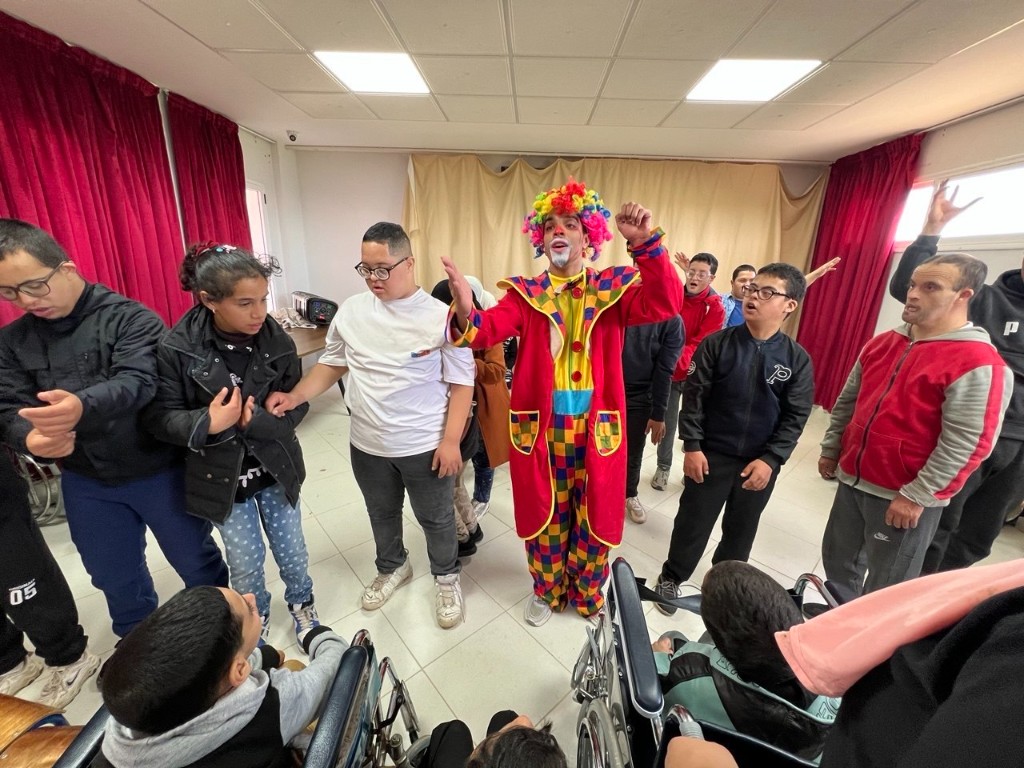
 Inchaden Centre
Specific language and learning disorders (TSLA), often called "dys disorders," affect reading, writing, numeracy, or oral language. Early support limits impact on schooling and self-confidence.
1. What are these disorders?
The HAS distinguishes in particular dyslexia (reading), dysorthographia (spelling/writing), dyscalculia (calculation), and oral language disorders. They are long-lasting but can be compensated through targeted educational strategies.
2. Identification at school and at home
Persistent difficulties despite adapted teaching, a gap between overall intellectual abilities and school learning, or recurring complaints from the child should lead to specialized assessment.
3. Coordinated care pathway
Support involves a multidisciplinary team: referring physician, psychologist, speech therapist, rehabilitation professionals, and teachers. Care is graduated according to complexity, from local follow-up to referral centres when needed.
4. Support at Inchaden Centre
- adapted reading and writing strategies;
- speech-language support for language and communication;
- exercises to strengthen core skills;
- close coordination with families and, when possible, school.
Reference source: HAS — Health pathway for "dys" disorders