 Inchaden Centre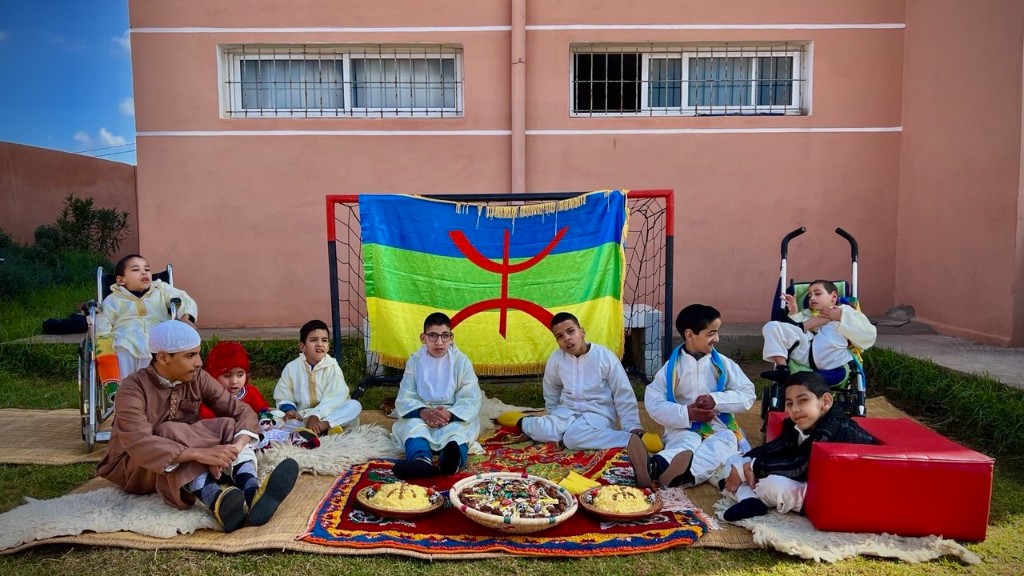
Cerebral palsy includes permanent disorders of movement and posture related to an injury of the central nervous system. Early, tailored rehabilitation improves motor function, autonomy, and quality of life.
1. Definition and manifestations
Cerebral palsy often results from brain injury occurring before, during, or shortly after birth. It may be associated with additional conditions: epilepsy, speech disorders, visual difficulties, or learning disorders.
2. Functional rehabilitation
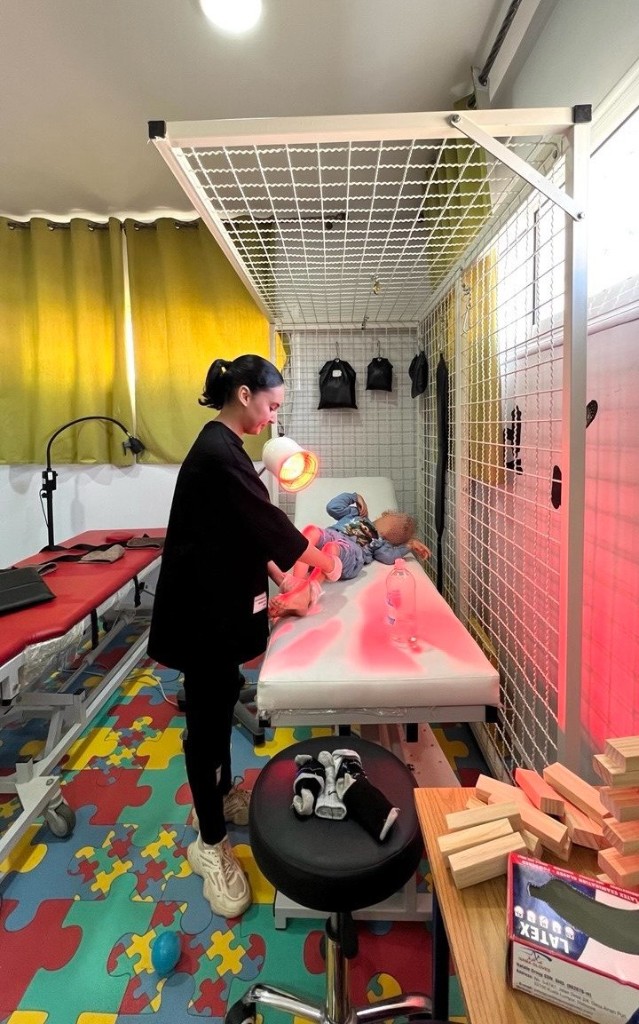
The HAS recommends personalized programs based on age and severity: gait training, muscle strengthening, manual therapy, hydrotherapy, and adapted physical activities.
3. Multidisciplinary approach at the centre
- physiotherapy for mobility and posture;
- psychomotor therapy and occupational therapy for daily actions;
- speech therapy when communication support is needed;
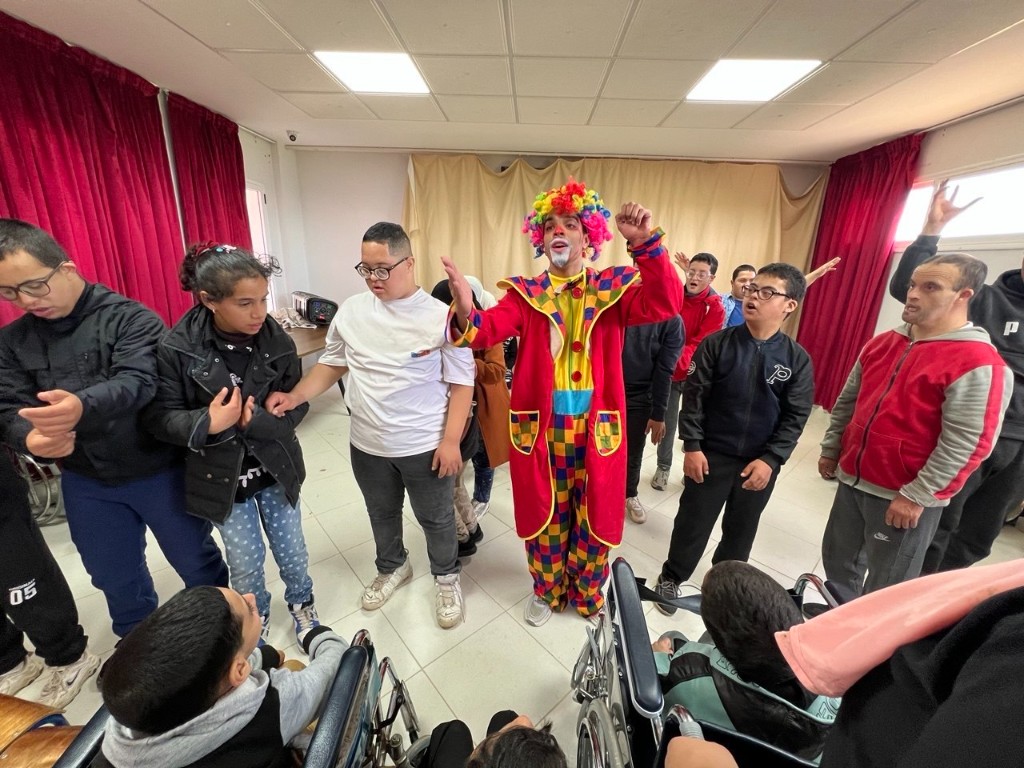
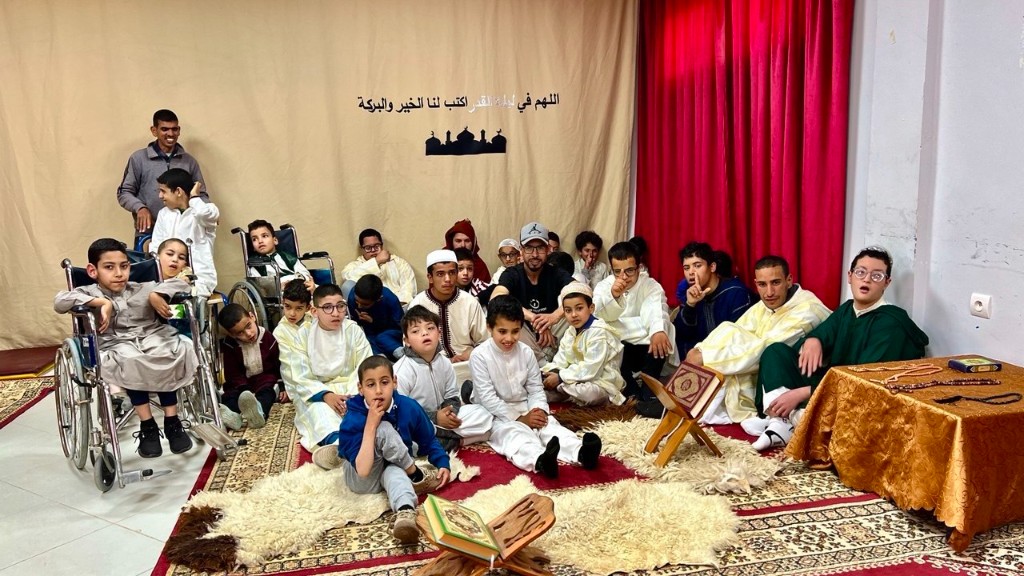
- specialized education and inclusion in group activities.
4. Long-term goals
The objective is to maximize functional abilities, prevent orthopedic complications, and promote social participation. Family involvement in home exercises strengthens progress achieved during sessions.
Reference source: HAS — Motor rehabilitation and cerebral palsy